
Google Plans a Personalized AI TV Channel: What It Could Mean for Viewers
At a glance
- Google filed a patent in May 2025 for a personalized AI TV channel called "My Channel", published on 19 November 2026.
- The system would generate shows tailored to each viewer, with the viewer cast as the main character using their photo and voice.
- Ads would be stitched into the AI-generated programmes — but a patent examiner has rejected the application, and Google has announced no product.
Imagine switching on your television and finding a channel made entirely for you — crime capers, romantic comedies and science-fiction adventures in which you are the hero. That is the idea behind a newly published Google patent application, and it has set off a lively debate about the future of television. The filing describes a system that would use artificial intelligence to generate programmes tailored to each individual viewer and deliver them through a dedicated personal channel on the TV home screen.
The proposal, first spotted by patent-tracking site Patentlyze and reported by 404 Media on 23 November 2026, is titled "creating a channel of video experiences tailored to a user". The application was submitted on 13 May 2025 and published on 19 November 2026, carrying the number US20260370899A1. Google has not announced any product based on the idea, and the company did not immediately respond to requests for comment. A patent filing is a claim on an invention, not a launch plan — but the level of detail in this one shows how seriously Google is thinking about AI-made television.
What is "My Channel"?
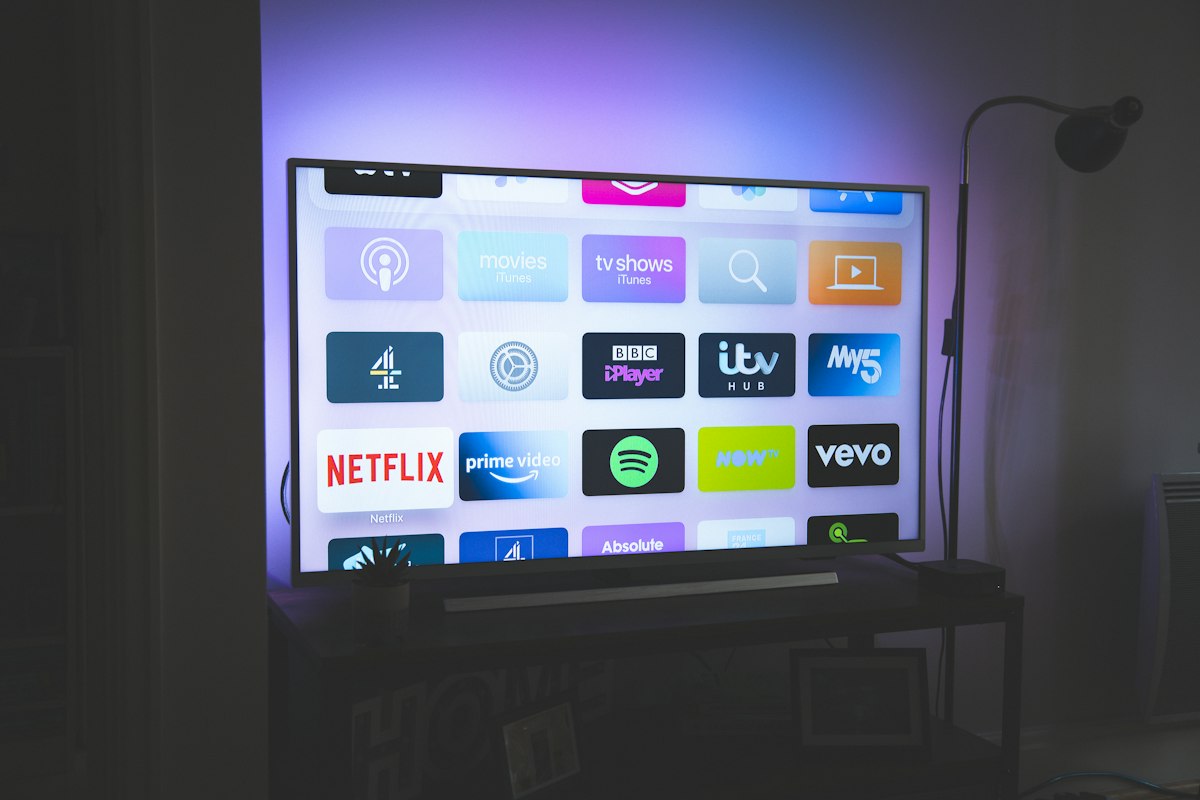
Under the concept, the channel — called "My Channel" in the filing — would appear alongside ordinary channels on a television's home screen. Opening it would present a menu of video options generated specifically for the person watching. The system would estimate the viewer's preferences by combining several kinds of information: the genres and titles of videos they have watched on YouTube and other platforms, demographic details such as age group and language settings, and contextual information including device location and IP address.
A large language model would turn that profile into prompts for a video-generation system, producing complete programmes rather than simply recommending existing ones. The shows could be created in response to a viewer's request — or with no request at all. The filing even describes new programmes being added automatically at regular intervals, such as once a week or once a month, so the channel would always feel fresh.
The filing illustrates the idea with an example viewer named John, and sketches out genre buckets including crime and comedy capers, romantic comedies, science-fiction adventures and action thrillers. The point is not a catalogue of shows Google has made; it is a demonstration of how the system could adapt its output to whatever style a viewer prefers.
You would be the star of the show
The most eye-catching part of the patent is its plan to cast the viewer as the protagonist. An avatar reproducing the viewer's appearance would be created from their photo, and the viewer's own voice would be replicated to deliver the character's lines. In other words, the hero of the crime caper or the romantic comedy would look and sound like you.
That idea is less far-fetched than it might have sounded a few years ago. Google already offers generative video tools, and in November 2026 it released Gemini Omni 1.2 Flash, which the company says improves the consistency of character appearances and the accuracy of voice generation. The building blocks for a service like this are arriving quickly, even if the service itself has not.
There are obvious questions, too. A system like this would need a substantial amount of personal information — the filing itself says Google would have to obtain "data related to preferences of a user" along with demographic and contextual information. How that data would be collected, stored and controlled would matter enormously to viewers, and the patent gives no answers on consent or privacy safeguards.
Ads would be part of the picture
The filing also connects the channel to advertising. It describes the generated programmes being sent to an "advertising stitcher" that inserts at least one advertisement into each customised video before it reaches the viewer. Personalised entertainment, in this design, comes with personalised advertising built in — a familiar business model for Google, applied to content that does not yet exist until the moment you ask for it.
That detail matters because it hints at why Google might want the patent at all. If AI-generated video becomes cheap to produce at scale, a channel that creates shows on demand — and sells ads inside them — could be a powerful new revenue stream. It would also deepen the role of the television as a Google surface, sitting alongside YouTube and Google TV.
The patent has already hit a roadblock
There is an important catch. According to Patentlyze, a patent examiner has issued a final rejection of Google's application. Google can still amend its claims or file an appeal, so the idea is not dead — but it is not a granted patent either, and there is no confirmed product, launch date or timetable.
That distinction matters. Technology companies file thousands of patents every year, and many describe ideas that never become products. What makes this one notable is the timing: AI video generation has improved dramatically in the past two years, and the filing shows Google thinking carefully about how that technology could reshape the most traditional screen in the home.
What it could mean for viewers — and for shared culture
If a service like "My Channel" ever launched, it would push personalisation further than streaming recommendations ever have. Instead of choosing from the same catalogue as everyone else, each viewer would get shows made for an audience of one. For some people, that sounds delightful — television that finally knows exactly what they like. For others, it raises a worry that 404 Media's Jason Koebler highlighted: if everyone watches personalised content, there are fewer shared shows for people to talk about together, and the common cultural conversation around television could thin out.
There are creative questions as well. AI-generated stories can already be fluent, but whether they can deliver the surprise, wit and emotional depth of the best human-made television is unproven. A channel of algorithmically tailored shows might be endlessly watchable without ever being memorable — or it might open up kinds of storytelling that are impossible when every show must appeal to millions of people at once.
For now, the honest answer is that nobody outside Google knows whether "My Channel" will ever exist. The patent has been published, the examiner has pushed back, and Google has said nothing. But the filing is a window into where one of the world's biggest technology companies thinks television is heading: not just recommended for you, but made for you — starring you, and carrying ads. Viewers will decide whether that is a future worth switching on for.
Frequently asked questions
What is Google's personalized AI TV channel?
It is a concept in a Google patent application for a channel called "My Channel" that would use AI to generate TV programmes tailored to each viewer, based on their watch history, demographics and location — with the viewer cast as the main character.
Has Google launched the AI TV channel?
No. It is only a patent application, published on 19 November 2026. Google has announced no product, launch date or timetable, and a patent examiner has issued a final rejection, though Google can amend the application or appeal.
How would the AI TV channel know what shows to make?
According to the filing, the system would analyse the viewer's top-watched videos and shows, along with genre preferences, age group, language settings and location data, and use a large language model to generate programmes in the styles that viewer prefers.
Would the AI-generated shows include advertisements?
Yes. The patent describes sending the generated programmes to an advertising stitcher that would insert at least one advertisement into each customised video before it reaches the viewer.
No comments